Getting Started with Homesteading: No Land Required
You don't need acres of farmland to start homesteading. This beginner's guide shows you how to build real self-sufficiency from an apartment, a small yard, or anywhere you are right now.
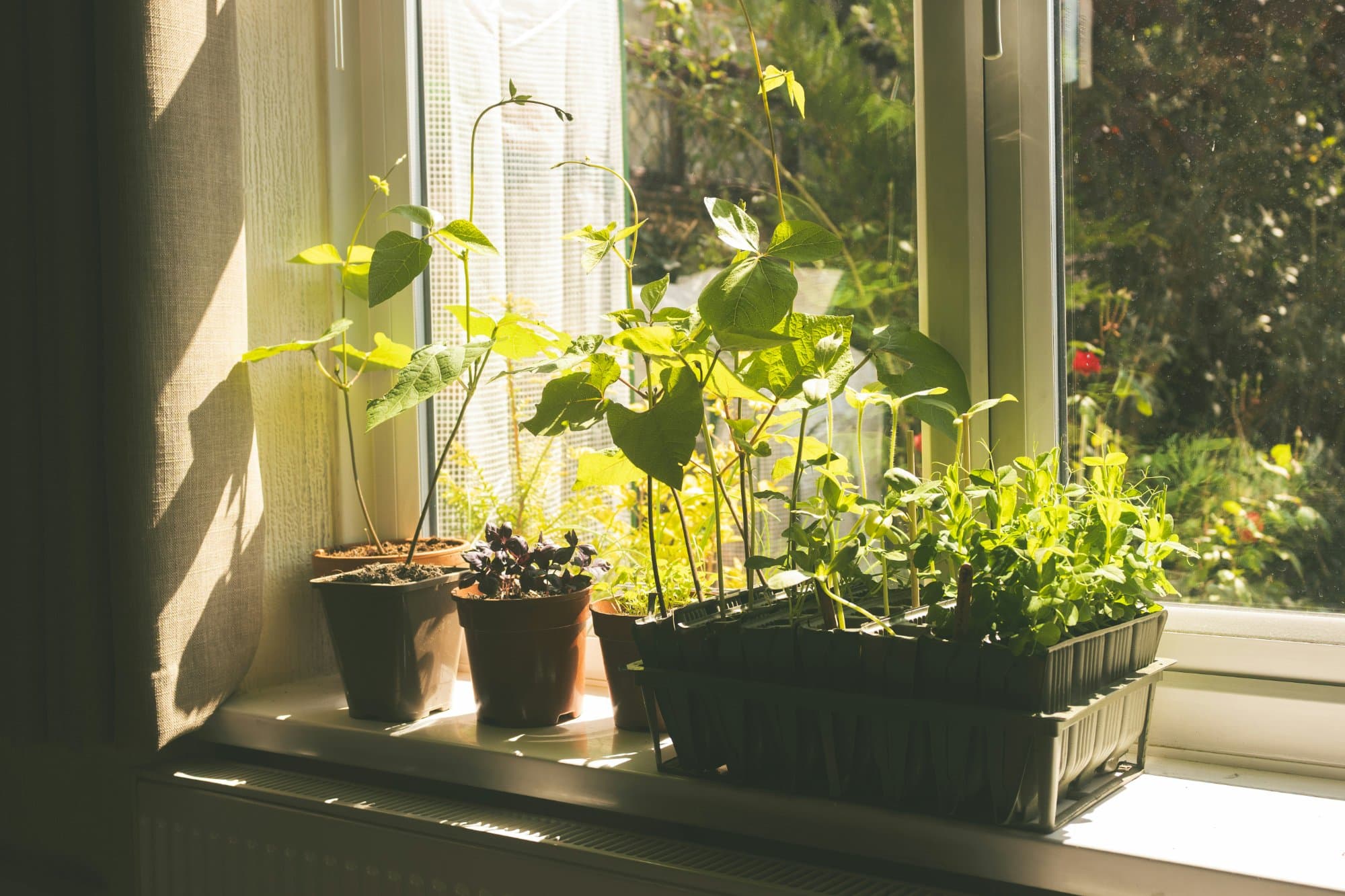
Photo by Elly M
There's a lie baked into the homesteading dream that keeps people stuck: the idea that you need land before you can start.
Acres of rolling pasture. A farmhouse with a wraparound porch. Chickens in the yard and a root cellar under the kitchen. It's a beautiful picture — and it stops people cold. Because if that's the starting line, most of us can't even lace up our shoes.
Here's the truth: homesteading is not a place. It's a practice. It's a set of skills, habits, and choices that reduce your dependence on systems you don't control. And you can start building those skills today — from a studio apartment, a suburban duplex, or a room you're renting from a friend.
Self-sufficiency isn't something you achieve once you buy property. It's something you cultivate wherever you are. And every skill you learn now is one you'll carry with you when the land does come.
Redefining Homesteading for the Modern Sovereign
Traditional homesteading meant claiming land and living off it entirely. That model served a different era. Modern homesteading — especially sovereign homesteading — is about something deeper: reclaiming the skills and knowledge that make you less dependent on corporations, supply chains, and systems designed to keep you consuming.
When you bake your own bread, you're not just saving money. You're taking back a skill that humans practiced for thousands of years before industrial bakeries convinced us we couldn't do it ourselves.
When you grow herbs on your windowsill, you're not just gardening. You're reconnecting with the oldest form of medicine on earth — one that doesn't require a prescription or a copay.
When you learn to preserve food, you're building resilience against supply chain disruptions, price surges, and the quiet vulnerability of depending on a grocery store that's three days away from empty shelves at any given moment.
This is sovereignty in action. Not someday when conditions are perfect — but right now, with what you have.
Skills You Can Start Today (No Land Needed)
The best part of modern homesteading is that the most valuable skills don't require a single square foot of outdoor space. Here's where to begin.
Cook From Scratch
This is the foundation. Before you garden, before you preserve, before you raise anything — learn to cook real food from raw ingredients. Not meal kits. Not frozen dinners with "natural flavors." Actual food.
Start simple. Learn to make a pot of soup from vegetables, broth, and seasoning. Bake a loaf of bread — flour, water, salt, yeast. That's it. Four ingredients, and you've just made something that costs pennies compared to the store-bought version, tastes better, and contains none of the preservatives or additives your body doesn't need.
Cooking from scratch is the single highest-impact homesteading skill because it changes your relationship with food entirely. You stop being a consumer and start being a creator. That shift in identity ripples outward into everything else.
Grow Something — Anything
You don't need a garden bed. You need a sunny windowsill and a few containers.
Start with herbs — basil, mint, rosemary, and cilantro are nearly impossible to kill and will save you money every week. (For a deeper dive into medicinal herbs every sovereign household should grow, see 9 Medicinal Herbs.) A pot of fresh basil costs the same as two of those sad plastic clamshells from the grocery store, and it keeps producing for months.
If you have a balcony or patio, expand to tomatoes, peppers, lettuce, and green onions in containers or grow bags. Vertical growing systems can produce a surprising amount of food in just a few square feet. Microgreens are another incredible option — they grow indoors in a tray, are ready to harvest in about ten days, and are some of the most nutrient-dense food you can eat.
The point isn't to feed yourself entirely from your windowsill garden. The point is to develop the skill and the habit of growing food. Once that muscle is built, scaling up becomes natural when the space opens up.
Learn to Preserve Food
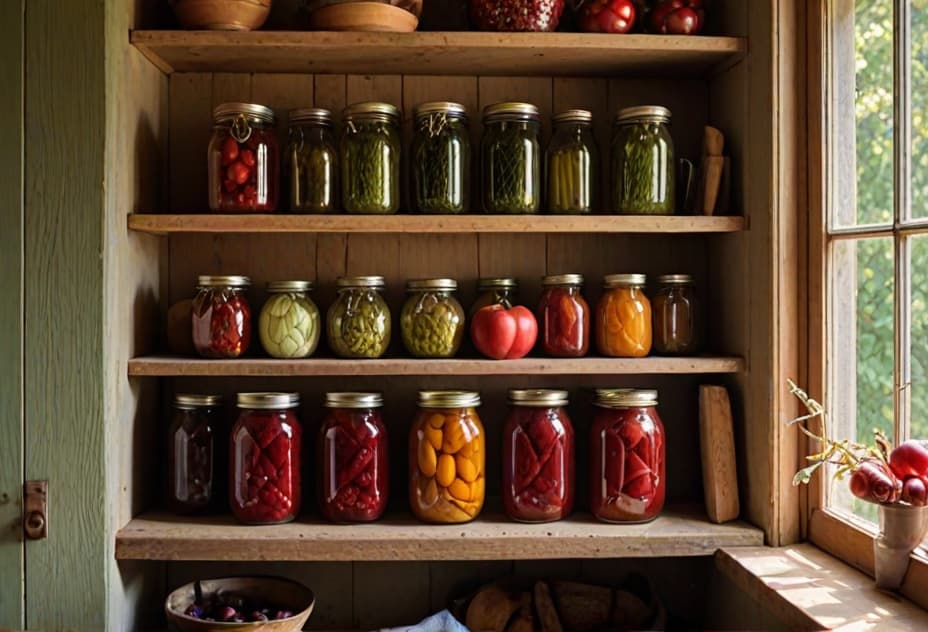
Canning, dehydrating, fermenting, and freezing are the skills that transform seasonal abundance into year-round security. And you can practice all of them in a kitchen.
Start with fermentation — it requires almost no equipment. A jar of homemade sauerkraut (cabbage + salt + time) will teach you the basics of lacto-fermentation and give you a probiotic-rich food that supports gut health. Kombucha, kimchi, and fermented hot sauce are all beginner-friendly projects.
Water bath canning is the next step — perfect for jams, pickles, and tomato sauces. A large stockpot, some mason jars, and a simple rack are all you need. Pressure canning opens up the world of preserving meats, soups, and low-acid vegetables, but start with water bath to build confidence.
Dehydrating is another low-barrier entry point. A basic food dehydrator lets you preserve fruits, vegetables, herbs, and even make jerky. Dehydrated food stores for months or years in sealed containers and takes up very little space — perfect for apartments.
Make Your Own Household Products
The average household spends hundreds of dollars a year on cleaning products, personal care items, and other consumables that can be made at home for a fraction of the cost — often with better ingredients.
An all-purpose cleaner made from vinegar, water, and a few drops of essential oil cleans just as effectively as most commercial sprays. Homemade laundry detergent costs pennies per load. Beeswax wraps replace plastic wrap. Cloth towels replace paper ones.
This isn't about deprivation. It's about realizing how much of what we buy is unnecessary — and how capable we are of providing for ourselves when we decide to try.
Build a Relationship with Local Food Sources
Even without your own land, you can dramatically shorten your supply chain and support your local food economy.
Farmers markets connect you directly with the people who grow your food — no middlemen, no industrial processing, no mystery ingredients. Many farmers also sell directly through CSA (Community Supported Agriculture) programs that deliver seasonal produce weekly.
If you eat meat, finding a local rancher who raises animals ethically and sells direct is a game-changer. You'll know exactly how the animal was raised, what it ate, and how it was processed. Many ranchers sell quarter or half animals at significant discounts.
Foraging is another skill that connects you to food sovereignty. Depending on where you live, wild edibles like dandelion greens, elderberries, wild garlic, and mulberries might be growing within walking distance. Apps and local foraging groups can help you identify what's safe and abundant in your area.
Learn Basic Repair and Making Skills
The opposite of self-sufficiency is the throwaway mentality — when something breaks, buy a new one. Homesteading reverses this.
Learn to sew a button, patch a hole, and hem a pair of pants. Learn basic tool use — hanging shelves, fixing a leaky faucet, tightening a loose hinge. These aren't glamorous skills, but they're the foundation of a life where you solve problems instead of spending money on them.
Knitting, crocheting, woodworking, candle-making, soap-making — each of these is a rabbit hole that can become both a creative outlet and a practical skill. Start with whatever interests you. The goal is to build the mindset that you can make and fix things yourself.
Start Composting (Yes, Even Indoors)
Composting turns food scraps into rich soil — and it's one of the most sovereignty-aligned habits you can build. Instead of sending organic waste to a landfill where it produces methane, you're creating something valuable from what most people throw away.
If you have outdoor space, a simple two-bin compost system is all you need. Toss in kitchen scraps (vegetable peels, coffee grounds, eggshells), yard waste, and shredded cardboard. Turn it occasionally. In a few months, you'll have dark, rich compost that any garden would love.
No outdoor space? Vermicomposting uses a small bin of red wiggler worms to break down food scraps right under your kitchen sink. It's odorless when maintained properly, incredibly efficient, and produces some of the best fertilizer on earth. A countertop bokashi bucket is another apartment-friendly option that ferments food waste into compost in just two weeks.
Composting closes the loop. You eat the food, compost the scraps, feed the compost to your plants, and grow more food. That cycle is the heartbeat of self-sufficiency.
Think About Water
Water is the resource most of us take completely for granted — until it's not there. Sovereign homesteaders think about water before a crisis forces them to.
Start simply. Keep a supply of stored water for emergencies — even a few gallons rotated regularly gives you a buffer. Invest in a quality water filter like a Berkey or a gravity-fed ceramic system that works without electricity. Learn the basics of rainwater collection if your local laws allow it.
Understanding where your water comes from, how it's treated, and what your options are if the tap stops flowing isn't paranoia — it's the same kind of practical awareness that our grandparents considered common sense.
Scaling Up: When You're Ready for More
Once you've built these foundational skills, you'll naturally start looking for more space and bigger projects. Here's how to scale without waiting for the perfect homestead.
Community gardens are available in most cities and many suburbs. A small plot gives you real gardening experience — learning about soil, seasons, pests, and harvesting — without the commitment of owning land. The relationships you build with other gardeners are just as valuable as the produce.
Shared land arrangements are more common than you'd think. Many homeowners have unused yard space they'd happily let you garden in exchange for a share of the harvest. Put the word out in your community, local groups, or neighborhood apps.
Container and raised bed systems can transform even a small patio or driveway into productive growing space. A few 4x4 raised beds with quality soil can produce a remarkable amount of food through a growing season.
Skill-building courses and workshops accelerate your learning. Look for local classes on canning, herbalism, beekeeping, permaculture design, or animal husbandry. When you do get land, you'll hit the ground running instead of starting from zero.
The Sovereign Homesteader Mindset
More than any specific skill, what sets sovereign homesteaders apart is the way they think. (For the broader frame — seven specific beliefs that keep you dependent, and the sovereign alternatives — see The Sovereign Mindset Shift.)
They see a problem and ask "Can I solve this myself?" before reaching for their wallet. They view learning as an investment, not a chore. They understand that every skill mastered is a layer of independence added — another thread cut from the web of dependence on systems they don't control and didn't choose.
You don't need to quit your job, move to the country, or go completely off-grid tomorrow. You just need to start. Make one thing from scratch this week. Grow one plant. Learn one skill. That's the first step on a path that leads wherever you want it to go.
The land will come when the time is right. But the homesteader? That's who you become right now, wherever you are.
And here's what nobody tells you about starting small: the confidence compounds. The first time you eat a meal made entirely from scratch, something shifts. The first time you harvest herbs you grew yourself, you feel it. The first time you fix something instead of replacing it, you realize you're more capable than the consumer economy ever wanted you to believe.
Each small act of self-sufficiency rewires your identity. You stop seeing yourself as someone who needs the system and start seeing yourself as someone who can thrive without it. That's not a homesteading skill — that's sovereignty itself.
Take the Next Step
Not sure where your sovereignty journey should begin? Discover your sovereign archetype — it reveals whether you're The Explorer blazing new trails, The Caregiver nurturing growth, The Architect building systems, or one of seven other archetypes that illuminate your unique path.
Discover which sovereign archetype resonates with your journey.
Take the Archetype Quiz →Join the Sovereignty Academy newsletter for weekly guides on self-sufficiency, digital privacy, financial freedom, health sovereignty, and building the life you actually want.
Continue Your Sovereignty Journey
Get weekly dispatches on self-sufficiency and the other pillars of sovereignty — or create a free account to access courses, community, and tools.
Don't miss the next one
Weekly articles on self-sufficiency and the other five pillars of sovereignty. No spam. Unsubscribe anytime.
No spam. Unsubscribe anytime. Your data stays yours.