Medicinal Herbs Every Sovereign Household Should Grow
You don't need a pharmacy to maintain your health. These nine medicinal herbs are easy to grow, deeply effective, and put healing power back in your hands.
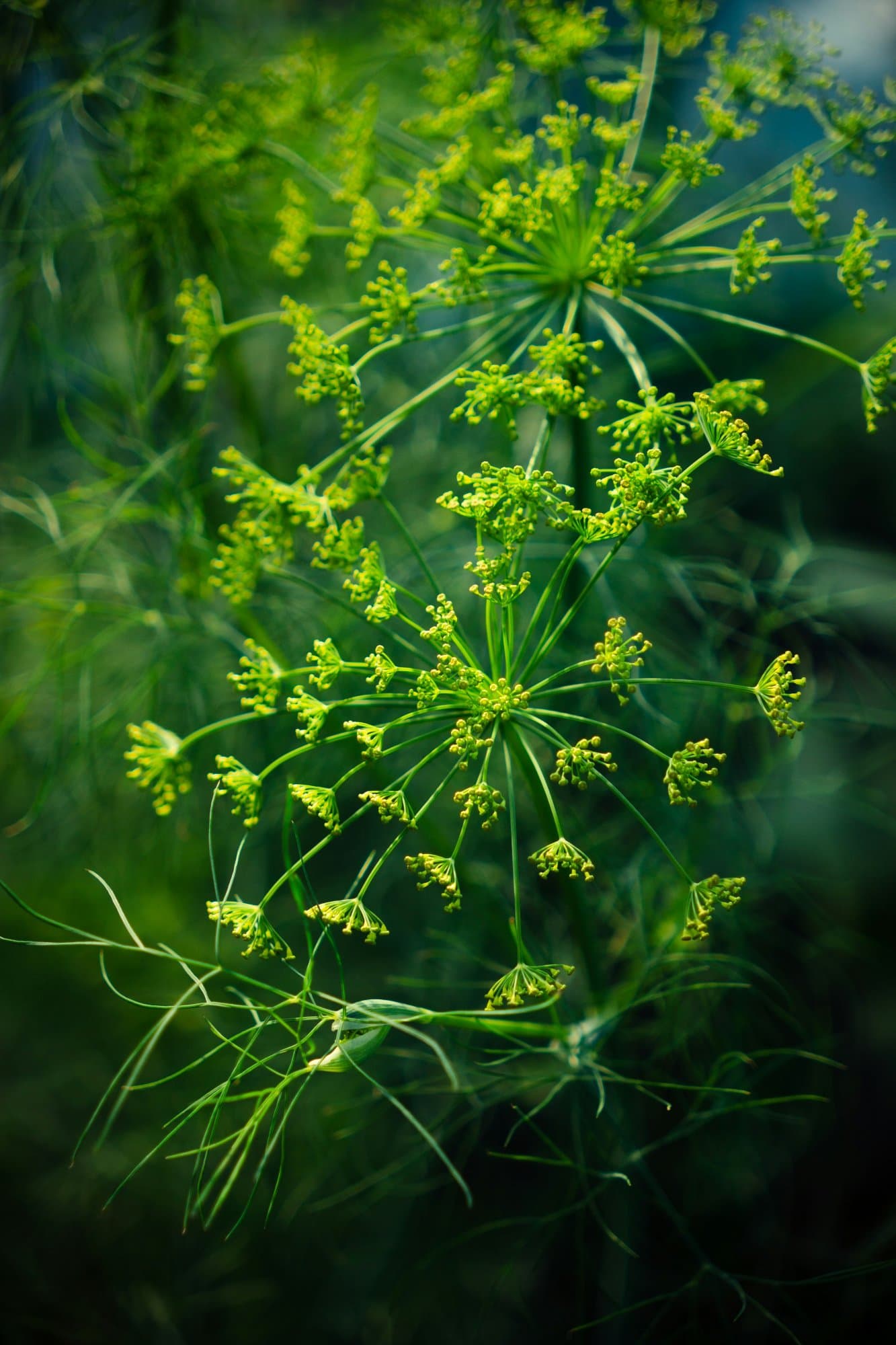
Photo by Mantas Sinkevicius
For most of human history, the medicine cabinet was the garden. Every culture on earth developed deep knowledge of the plants growing around them — not out of romanticism, but out of necessity and wisdom passed down through generations.
That knowledge didn't disappear. It got buried under pharmaceutical marketing and the idea that healing is something that happens to you rather than something you do. Reclaiming it is one of the most grounding acts of sovereignty there is. (For the broader frame — why your body is your first sovereign territory — start there.)
You don't need acres of land. A few pots on a windowsill or a small raised bed can grow enough medicine to handle most of what life throws at a household. (And if growing your own food and medicine appeals beyond the windowsill, our guide to homesteading without land walks through how to start anywhere.) Here are nine herbs that earn their place in every sovereign home.
1. Chamomile (Matricaria chamomilla)
What it does: Calms the nervous system, eases digestive upset, reduces inflammation, supports sleep.
Chamomile is the quiet workhorse of the herb garden. A cup of strong chamomile tea before bed beats melatonin gummies for most people, and it's completely safe for children. It's also one of the most effective remedies for an upset stomach, gas, and cramping.
How to use it: Dry the flower heads and steep 1–2 tablespoons in hot water for 10 minutes. The longer you steep, the stronger the medicine.
Growing notes: Prefers full sun and well-drained soil. Self-seeds prolifically — plant it once and it'll come back every year.
2. Lavender (Lavandula angustifolia)
What it does: Reduces anxiety, promotes sleep, relieves headaches, soothes burns and insect bites topically.
Lavender is one of the most well-researched medicinal herbs in existence. Studies consistently show that inhaling lavender essential oil reduces cortisol levels and anxiety. Topically, the fresh or dried flowers steeped in oil make a powerful skin soother for minor burns, sunburn, and bug bites.
How to use it: Dried flowers in a sachet under your pillow for sleep. Strong tea for headaches. Infused oil (flowers in carrier oil for 4–6 weeks) for skin.
Growing notes: Thrives in poor, dry, alkaline soil — it actually suffers in rich, wet conditions. Excellent in containers.
3. Peppermint (Mentha × piperita)
What it does: Relieves headaches, nausea, digestive cramps, sinus congestion, and mental fatigue.
Peppermint is the herb that does twelve jobs at once. The menthol in peppermint is a genuine analgesic — studies show topical peppermint oil is as effective as acetaminophen for tension headaches. Internally, it's the go-to for nausea and IBS-type digestive cramping.
How to use it: Strong tea for digestion and headaches. Diluted essential oil rubbed on temples for headaches. Steam inhalation for sinus congestion.
Growing notes: Grows aggressively — always grow in containers or it will take over your garden. Loves moisture and partial shade.
4. Echinacea (Echinacea purpurea)
What it does: Stimulates immune function, reduces duration and severity of colds, anti-inflammatory.
Echinacea is one of the most studied medicinal herbs in Western research. The evidence is consistent: taking echinacea at the first sign of a cold reduces how long you're sick and how sick you get. It works best taken early and often — not as a daily preventive.
How to use it: Tincture or strong tea at the first sign of illness, 3–4 times per day for up to 10 days. The roots are most potent but leaves and flowers work too.
Growing notes: Beautiful perennial that comes back every year. Grows 3–4 feet tall with striking purple flowers. Full sun, tolerates drought once established.
5. Lemon Balm (Melissa officinalis)
What it does: Reduces anxiety and stress, improves sleep, eases cold sores topically, antiviral.
Lemon balm is one of the most underrated herbs in Western herbalism. It has a genuine anxiolytic effect — it calms a racing mind without sedating you. It's also one of the only herbs with solid evidence against HSV (the cold sore virus) when applied topically.
How to use it: Fresh or dried leaf tea for anxiety and sleep. Strong tea compress applied to cold sores. Combines beautifully with chamomile.
Growing notes: Easy to grow, prefers partial shade. Like mint, it spreads — consider containing it. Leaves are most potent when harvested just before flowering.
6. Calendula (Calendula officinalis)
What it does: Heals wounds and skin irritation, anti-inflammatory, antifungal, supports lymphatic drainage.
Calendula is the skin herb. Infused in oil or made into a salve, it speeds wound healing, reduces inflammation, and soothes everything from diaper rash to eczema to minor cuts and burns. It's gentle enough for infants and potent enough to replace most commercial skin creams.
How to use it: Infused oil (dried flowers in olive or jojoba oil for 4–6 weeks) applied directly or made into salve with beeswax. Strong tea as a wound wash.
Growing notes: One of the easiest flowers to grow from seed. Blooms prolifically from spring to frost. Harvest flowers when fully open, dry thoroughly before infusing.
7. Holy Basil / Tulsi (Ocimum tenuiflorum)
What it does: Adaptogen — helps the body respond to stress; supports blood sugar balance, reduces cortisol, clears mental fog.
Tulsi has been the cornerstone of Ayurvedic medicine for thousands of years, and modern research is catching up to what traditional healers have always known. As an adaptogen, it helps your body regulate its stress response — not by sedating you, but by bringing your nervous system back into balance. Regular tulsi tea is one of the most effective long-term interventions for chronic stress.
How to use it: Daily tea made from fresh or dried leaves. The flavor is complex — spicy, floral, clove-like.
Growing notes: Treat as an annual in most climates. Loves heat and full sun. Start indoors 6 weeks before last frost.
8. Valerian (Valeriana officinalis)
What it does: Powerful sleep aid, reduces anxiety, muscle relaxant, eases menstrual cramps.
If chamomile is gentle sleep support, valerian is the serious medicine for chronic insomnia and high anxiety. The smell is famously terrible — earthy and pungent — but the root is one of the most effective plant medicines for sleep that exists. Many people find it more reliable than OTC sleep aids and without the groggy hangover.
How to use it: Root tincture or capsules (the smell makes tea challenging for most people). Take 30–60 minutes before bed. Allow 2–3 weeks of consistent use for full effect.
Growing notes: Beautiful tall perennial with clusters of tiny white flowers. Grows 4–5 feet. Roots are harvested in fall of the second year.
9. Plantain (Plantago major)
What it does: Draws out splinters and insect venom, heals wounds, soothes bee stings and inflammation, expectorant.
Here's the sovereign herb you almost certainly already have — growing in the cracks of your driveway, in your lawn, in every disturbed piece of ground. Plantain (not the banana) is one of the most useful first-aid plants that exists. Chew a leaf and apply it directly to a bee sting and the pain and swelling drop within minutes. It's not glamorous, but it might be the most immediately useful herb on this list.
How to use it: Fresh "chew and spit" poultice for stings, splinters, and minor wounds. Strong tea as an expectorant for chest congestion.
Growing notes: You probably don't need to grow it — look down. It's already there. If you want to cultivate it intentionally, it thrives in compacted soil with full to partial sun.
Building Your Home Apothecary
Start small. Pick two or three herbs from this list that address your household's most common needs — if you have kids, chamomile and calendula. If anxiety and sleep are your battles, lemon balm and valerian. If you're focused on immune support, echinacea.
Learn those plants deeply before expanding. Know how to grow them, when to harvest them, how to prepare them, and what doses work. That knowledge, once earned, is yours forever.
This is what health sovereignty looks like in practice — not a supplement subscription, not a protocol someone sold you, but a living relationship with the plants that have kept humans healthy for thousands of years.
The pharmacy never had a monopoly on healing. It just made you forget that for a while.
The information in this article is educational and not intended as medical advice. Always consult a qualified practitioner for serious health conditions.
Continue Your Sovereignty Journey
Get weekly dispatches on health sovereignty and the other pillars of sovereignty — or create a free account to access courses, community, and tools.
Don't miss the next one
Weekly articles on health sovereignty and the other five pillars of sovereignty. No spam. Unsubscribe anytime.
No spam. Unsubscribe anytime. Your data stays yours.